
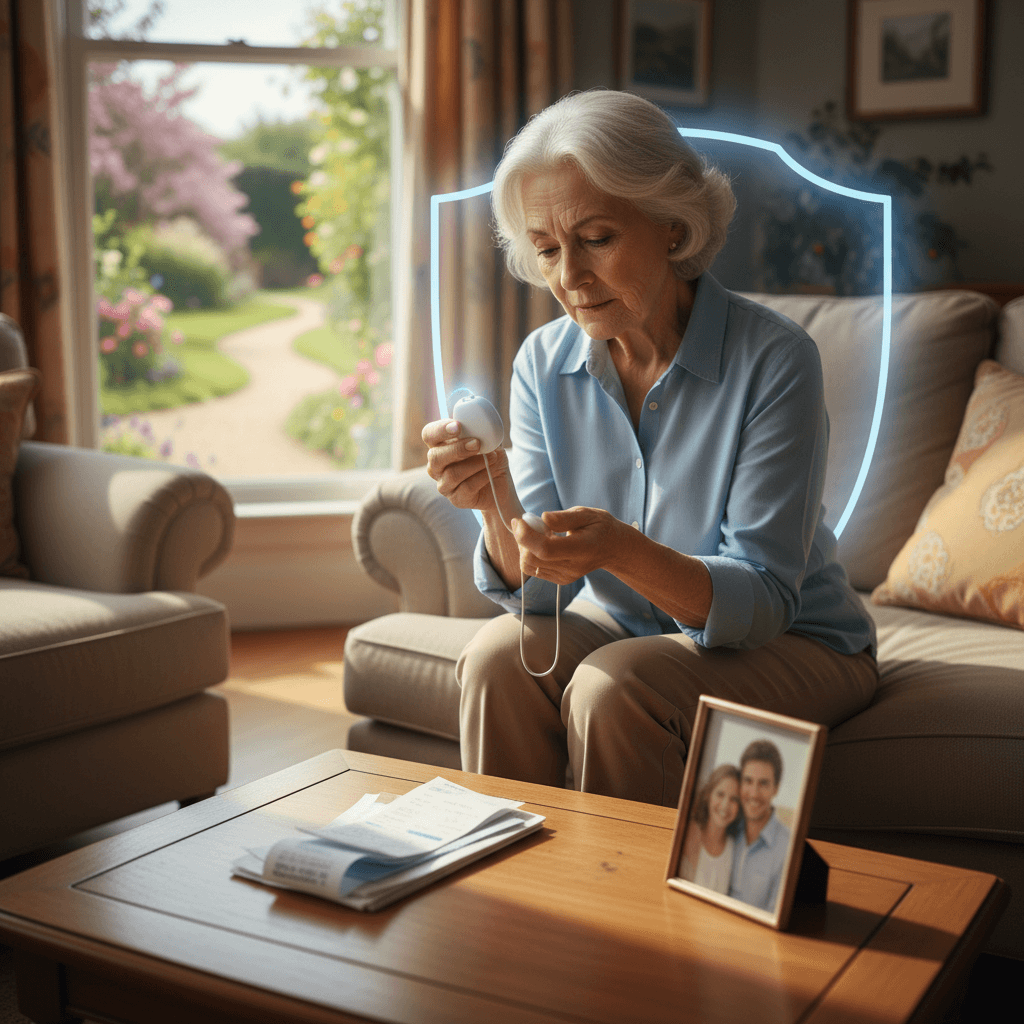
Are Medical Alert Devices Truly Worth the Cost
Deciding whether a medical alert device is worth the cost is more than a question about dollars. It is a question about safety, independence, and practical trade offs. For older adults living alone, someone with a history of falls, or caregivers who live at a distance, these systems can change how quickly help arrives after an emergency. At the same time there are costs to compare including hardware, monthly monitoring fees, and support tech that might not fit every budget.
This article looks at the real world facts behind the purchase decision. I will walk through typical price points, scenarios where these devices make a measurable difference, alternatives you can consider, and a simple way to compare benefits and expenses. Read on to get a balanced view so you can weigh the financial and human sides of the choice.
What medical alert devices do and how they operate
Medical alert devices are purpose built to summon help when a user cannot reach a phone or is unable to speak. The core parts are a trigger method such as a wearable button, a base station that connects to cellular or landline service, and a staffed monitoring center that receives alerts. Some units add fall detection using motion sensors which can send an automatic alarm if a sudden movement pattern is detected.
Typical systems offer two main response paths. First is direct contact where an operator calls the user through the base station to confirm the need for help. If the user cannot answer the operator will contact emergency services and listed contacts. Second is automatic dispatch which is triggered by fall detection or repeated unanswered alerts. These behaviors matter when assessing value since manual only systems require the user to press the button while automated features can cover unconscious events.
Upfront costs and monthly fees explained
When comparing models remember there are separate cost buckets. The first is hardware which ranges from low cost buttons under fifty dollars to comprehensive packages with base stations, multiple pendants, and GPS enabled mobile units that exceed three hundred dollars. The second is monitoring which can be billed monthly. Many providers charge between twenty and fifty dollars per month for professional monitoring. Mobile plans with GPS and cellular service may cost more.
Also account for optional extras. Examples include fall detection as an add on, more rapid response tiers, or extended warranties. Some vendors bundle equipment with a long term contract to lower initial payment while others let you buy hardware outright and pay for monitoring month to month. If you value flexibility, short term plans add buying power when circumstances change.
Real life scenarios where devices make a difference
Concrete examples help clarify when the cost is worth it. Here are common situations where a device makes a measurable difference in outcomes.
- Single occupant homes where the nearest family member is not nearby. An alert device can get emergency responders to the door faster than waiting for a neighbor to notice a problem.
- People with prior falls. Data shows that individuals with a history of falling are at greater risk for repeat events and complications. Reducing the time spent on the floor lowers the risk of dehydration, pressure injuries, and other secondary issues.
- Conditions that may cause sudden loss of consciousness such as certain cardiac issues or seizure disorders. In these cases the user may be unable to press a button which makes automatic fall detection or wearable water resistant pendants important.
Example case study
Mrs Ramirez is 78 and lives alone with mild mobility issues. After a single serious fall she bought a monitored unit with fall detection for thirty dollars per month and a one time hardware cost of one hundred fifty dollars. Three months later she fell in her kitchen and the system notified emergency services when she could not reach the button. The faster response reduced her hospital stay and allowed her to return home with a care plan. In this example the device cost a few hundred dollars but it avoided a longer recovery and the need for a skilled nursing placement at that time.
When a device may not add value
If a person has constant, in home professional care or lives with someone who is always present, the device may duplicate existing cover and the marginal benefit could be small. Similarly for healthy, active seniors with no fall history and good mobility, monitoring fees may feel like an unnecessary recurring expense. These are valid considerations when matching device features to real needs.
Alternatives to consider and their trade offs
You do not have to buy a medical alert product to get faster help. Other options include smartphone emergency features, wearable smart watches that offer fall detection, neighborhood check in plans, and conventional personal response through family check ins. Each has pros and cons.
- Smartphone emergency modes offer rapid dialing and location but rely on the user keeping the phone on their person. Phones are often left in another room which defeats the purpose.
- Smart watches can detect falls and automatically alert contacts. They combine everyday use with emergency response but often have limited battery life and require the user to charge regularly.
- Organized check in schedules with family or neighbors cost nothing. The downside is human schedules vary and gaps can exist during nights and holidays.
Choosing between dedicated devices and alternatives comes down to how consistently a person can use the chosen method, and how quickly help must arrive in a crisis.
How to choose the right device based on price and features
Start by listing non negotiable needs. Examples include waterproof wearables for shower safety, GPS for times when the user leaves home, or fall detection if unconscious events are likely. Next compare price points against monthly monitoring fees and contract terms. Ask these questions when evaluating models.
- Does the system work without a landline
- Is fall detection included or extra
- What is the false alarm rate and how are false alarms handled
- Is the device comfortable to wear and is it waterproof
- Are there cancellation fees or long contracts
Try to read user reviews focused on reliability and real incident responses. Technical specifications are useful, but reports about actual emergency response give a more realistic picture of value.
Common concerns and practical tips for reducing costs
People often worry about false alarms, misuse, or paying for a monitoring service they do not need. Here are practical ways to mitigate these concerns.
- Ask for a trial period. Many providers offer 30 day money back guarantees which lets you test real life use.
- Buy hardware that can be paired with different monitoring services if you want to shop for lower monthly fees later.
- Learn how to disable automatic fall alerts temporarily during activities that trigger false alarms, such as bending over or vigorous housework, and then turn them back on.
- Choose a plan without a multi year lock in when possible so you can cancel if it does not fit your lifestyle.
Also consider sharing the cost. Siblings or other family members can contribute a modest monthly amount which often makes the service affordable and sustainable.
Calculating the financial and non financial return on investment
Cost comparison should include direct and indirect savings as well as non financial benefits. Direct savings might include avoiding a longer hospital stay or costly living facility by getting timely care. Indirect benefits include reduced caregiver stress and fewer emergency room visits because problems were addressed sooner.
If you want a detailed breakdown that compares common price points with likely outcomes read this resource on medical alert device value which lays out scenarios and numbers for quick reference. Use the figures provided to estimate how many months of monitoring would offset a single preventable hospital stay in your area and compare that to your budget.
Questions to ask vendors and monitoring centers
Short, specific questions reveal real service quality. Ask about average response time, whether the monitoring center is staffed 24 7, and who will be notified in an emergency. Also request a copy of the service agreement and read the cancellation policy carefully. Ask whether fall detection is automatic or requires an added sensor, and whether mobile units provide accurate GPS location in rural areas.
Finally confirm training and testing procedures for the monitoring team. A staffed center that regularly trains on locating a caller can reduce time to dispatch which matters when minutes count.
Deciding if a medical alert device is worth the cost comes down to matching risk profile to features and budget. For people living alone with mobility challenges or medical conditions that can cause sudden incapacitation, the marginal cost often translates into faster assistance and potentially fewer complications. For those with consistent caregiver presence or low risk factors, lower cost alternatives may suffice. Weigh upfront hardware, monthly monitoring fees, and additional features against likely scenarios where rapid response would change outcomes. Try a trial period if possible and ask vendors precise questions about response times and cancellation terms. If you are ready to compare models and plans take a few minutes to list priority features and set a monthly threshold you are comfortable paying. Then test one option for a month to see how it fits daily life. Making a choice now can remove second guessing and provide an immediate path to safer independence.